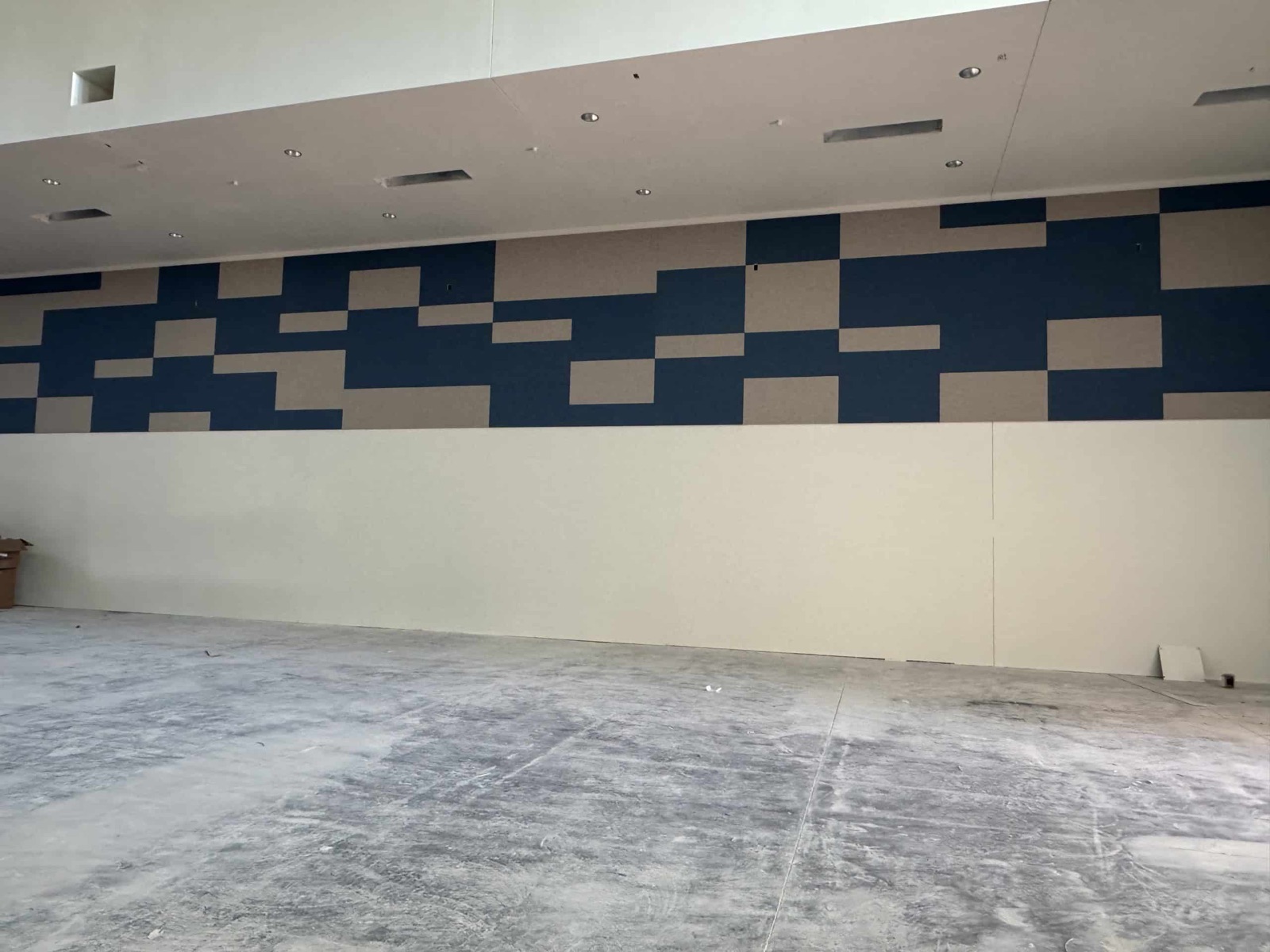
Custom acoustic wall panels installed in an education space
Project-specific wall treatment · Education

Sustainability & specification support

Better acoustics start with better documentation.

QTS helps architects, contractors and project teams evaluate custom acoustic treatments with information on material content, manufacturing, VOCs and acoustic performance.

Project-specific. Assembly-aware. Coordinated to current requirements.

A responsible starting point

Specify the assembly. Verify the contribution.

LEED® certifies projects—not individual products.

Products can contribute information toward a project strategy, but the rating system, credit pathway, selected assembly and overall material calculation determine whether that information applies.

Use this page to identify the information QTS can help organize. Before a submittal, request current documentation for the exact panel, substrate, fabric, adhesive and project conditions being specified.

How products contribute to LEED

QTS environmental information

Evaluate the actual assembly, not a blanket claim.

These are the environmental details QTS currently publishes. Values and applicability can vary by product and finish, so the final submittal should use current, project-specific documentation.

Manufacturing

Custom-to-order sizing

QTS typically fabricates acoustic panels to project dimensions. This approach can reduce field cuts and related site-generated waste. Packaging composition varies by shipment; request shipment-specific details for the project record.

Confirm for the project

Fabrication and packaging statement
Material content

Substrate & fabric

QTS’s legacy LEED information reports acoustic fiberglass board with 20% post-consumer and 5% pre-consumer content by weight, and identifies standard TerraTex Guilford of Maine fabrics as 100% post-consumer recycled polyester. These undated values should be reconfirmed for the selected assembly.

Confirm selected components

Product and fabric content statement

Indoor materials

Adhesives & edge treatment

Legacy QTS information describes its adhesives and edge hardener as low-VOC. A percentage-based VOC statement is not the same as current emissions documentation, so the project team should request the available data for the applicable product and installation method.

Verify current data

Adhesive and edge-treatment information

Project location

Gilbert, Arizona manufacturing

QTS manufactures in the Phoenix metro area. Origin and delivery information can be provided so the project team can evaluate transportation, sourcing or logistics considerations against its own methodology.

Evaluate by destination

Manufacturing-location confirmation

Important: Published percentages and statements are starting points, not a guarantee of credit achievement. Request current supporting information for the selected product configuration.

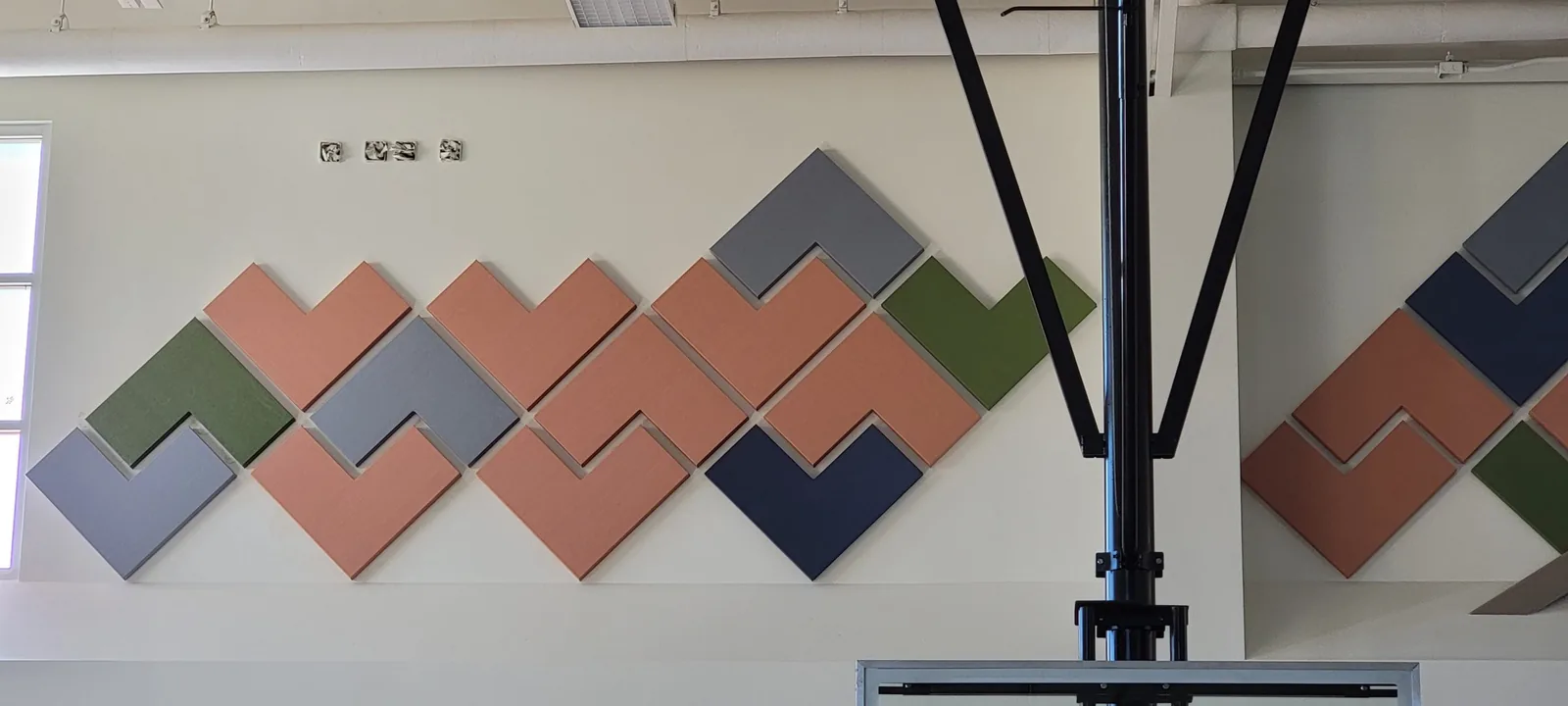
Geometric acoustic wall panels installed in a school gymnasium
Custom acoustic wall treatment in an education environment

Education environments

Acoustic performance belongs in the sustainability conversation.

QTS absorptive panels can form part of a project-specific strategy to manage reverberation in classrooms, gymnasiums and other core learning spaces. Product selection should be based on room conditions, required acoustic performance and the test data for the specified assembly.

QTS’s earlier LEED information references ANSI S12.60-2002. Because standards and rating systems change, project teams should confirm the version required by the project and request current acoustic performance documentation.

Before the submittal

Build the package around what is actually specified.

Give QTS the project context early. That makes it easier to match the documentation to the product family, fabric, custom condition and deadline.

01

Product data

Selected panel type, thickness, edge profile, dimensions, mounting and finish.

02

Material content

Substrate and fabric information tied to the selected product configuration.

03

Acoustic performance

Available test data for the assembly being evaluated and the room condition.

04

Fire performance

Applicable product-specification and test information for the proposed finish.

05

VOC information

Current adhesive and edge-treatment details for the intended installation method.

06

Project coordination

Manufacturing location, custom fabrication, packaging and delivery information.

Specifier workflow

A cleaner path from plans to documentation.

Start with the project version and selected pathway—not a generic request for “LEED paperwork.”

  1. Input

    Share the project context

    Send drawings, room conditions, specification requirements and the sustainability framework being pursued.

  2. System

    Confirm the assembly

    Identify the QTS product, substrate, thickness, edge, fabric, mounting and any custom conditions.

  3. Data

    Match current information

    QTS organizes the available product, material and performance information around the selected configuration.

  4. Submit

    Coordinate the final package

    The design and construction team verifies applicability and includes the appropriate documentation in the project submittal.

Project questions

What teams ask before they submit.

Need something specific? Send the product configuration and project requirements so QTS can answer against the actual condition.

Are QTS products LEED certified?

No. LEED certifies buildings and projects, not individual products. QTS can provide information that a project team may use when evaluating whether a selected assembly contributes to its chosen strategy.

Do the published percentages apply to every QTS product?

Not necessarily. Substrates, fabrics, adhesives and custom configurations can vary. Request current documentation for the exact components being specified.

Which LEED version should the project use?

The project team determines the applicable rating system, version and pathway. Include that information in the request so QTS can organize the most relevant available documentation.

What should we send QTS?

Send the project name and location, drawings or room information, selected product and fabric, rating-system context, required documentation and submittal deadline.

Have a project-specific request?

Build the documentation around the actual assembly.

Share the plans, selected product and sustainability requirements. QTS can help identify the product information available for the project team’s review.