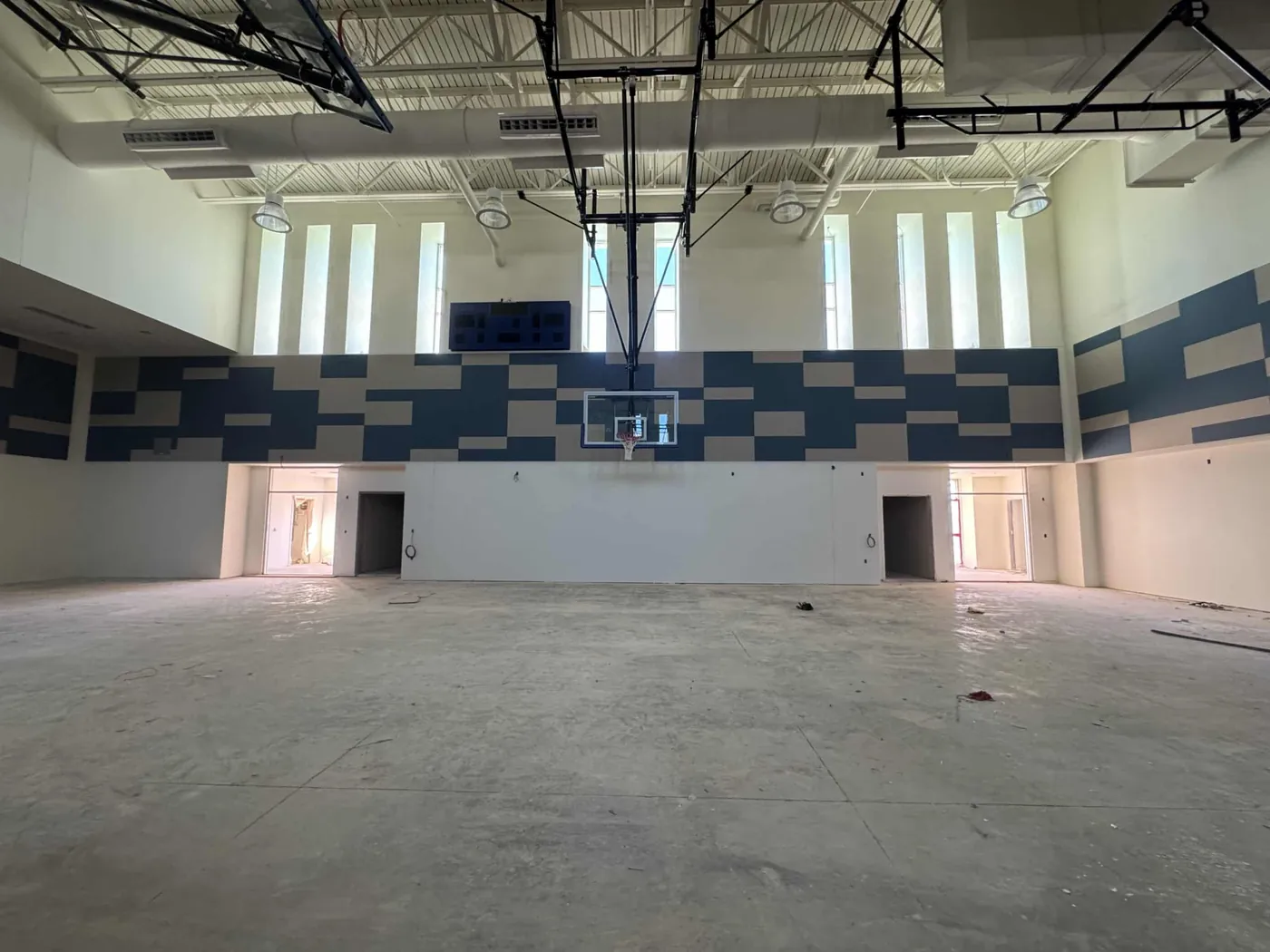
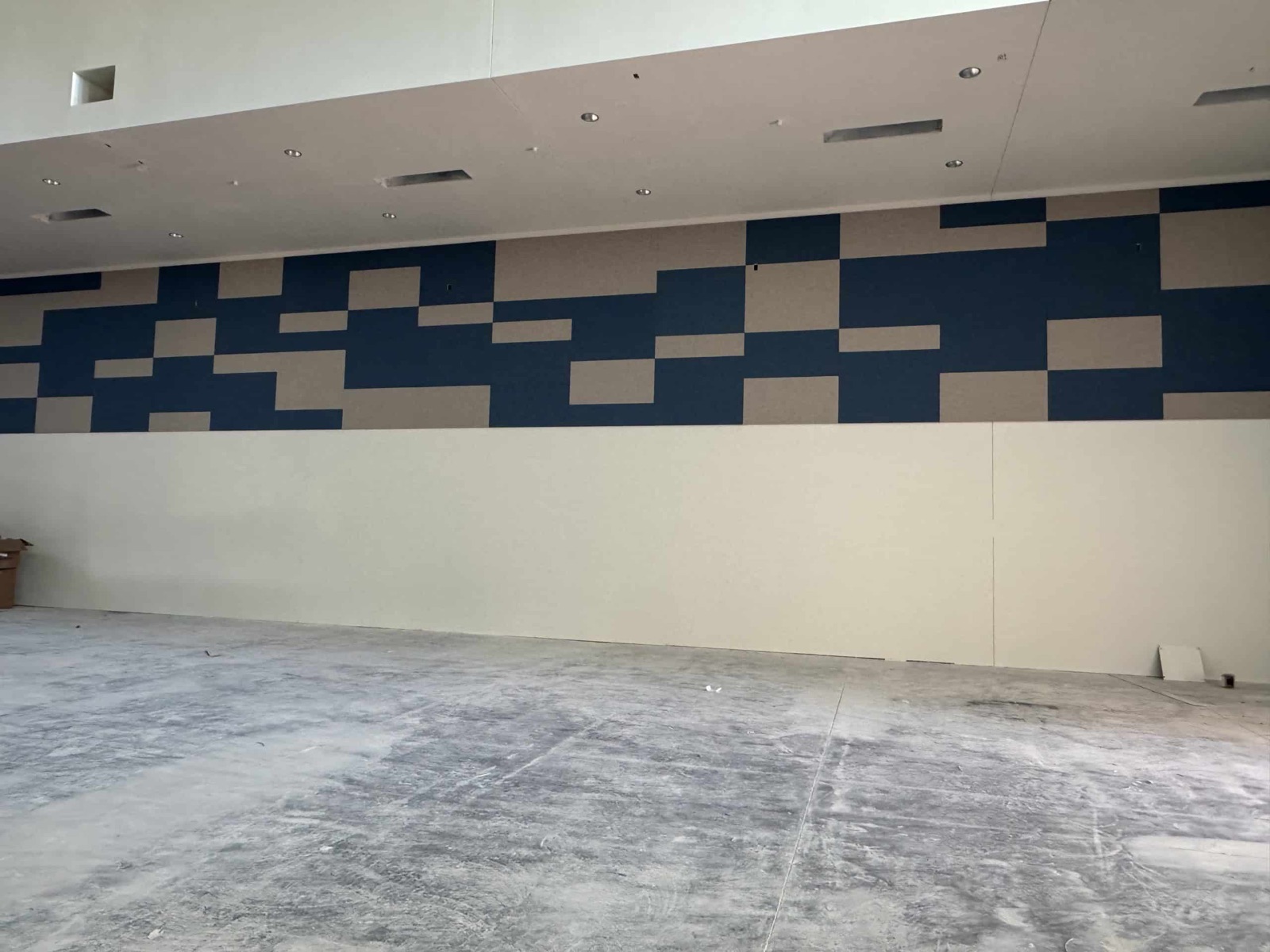
Plans & scope
Share room plans, reflected ceiling plans, elevations, schedules and the acoustic-product scope or basis of design when one is identified.
- New construction or retrofit
- Project location
- Bid or construction milestone
For contractors · Bid, field & product coordination
Send the drawings, field dimensions, finish direction, mounting condition and project location. QTS can help organize the selected product information and custom conditions before fabrication.
Plans, field conditions and the selected assembly have to tell the same story.
Contractor support
The useful product decision is the one that still works when the drawing meets the wall, ceiling, finish and attachment condition.
QTS manufactures wall panels, ceiling treatments, baffles and specialty products for commercial projects. Product families differ in construction, finish, available configuration and mounting, so the project record should identify the exact selection rather than rely on a generic panel description.
Start with what is known. Plans, elevations, dimensions, photos and the intended product or performance criteria give QTS a practical basis for the product conversation.
Published product pages and PDFs are useful references. Request current information for the selected product, thickness, finish, mounting and project condition before using it as a submittal.

Bid inputs
Not every field will be known on day one. The more clearly the condition is described, the easier it is to identify the questions that remain.
Share room plans, reflected ceiling plans, elevations, schedules and the acoustic-product scope or basis of design when one is identified.
Provide drawing dimensions, field dimensions when available, panel layout intent and quantities. Identify which measurements still require verification.
Describe the wall or ceiling construction, substrate, access and intended mounting approach. Penetrations, trim and adjacent work belong in the same conversation.
Identify the QTS family, thickness, edge, fabric or finish direction and performance criteria when known. If they are not known, describe the room condition that must be addressed.
Field coordination
Product information alone does not describe the complete condition. Confirm how the selected treatment meets the substrate, surrounding finishes, openings and work by other trades.
Coordination path
The exact sequence varies by project. These four checkpoints keep product, field and documentation decisions connected.
Provide the drawings, room use, product intent and known performance criteria.
Confirm dimensions, substrate, interruptions, access and adjacent construction.
Record the family, thickness, dimensions, edge, finish and mounting condition.
Match product data, test information, samples and mounting guidance to the selected condition.
Project record
Use the published resources as a starting point, then confirm what applies to the exact product and assembly being submitted.
Family, core or construction, thickness, dimensions, edge profile, finish and mounting method.
Exact selectionCurrent acoustic or fire-test information as applicable to the selected product, finish, mounting and tested configuration.
Assembly-specificA requested product or finish sample can help the project team review color, texture, edge and construction.
Confirm availabilityApplicable mounting guidance, cleaning and maintenance information, and published warranty documentation.
Current project recordNonstandard conditions
Share the condition instead of forcing an early answer. QTS can assess whether a product family can be configured around the dimensions, finish intent and mounting requirements.
Provide dimensions, shapes, radii, pattern intent and the surfaces the treatment has to meet.
Explore QTS CustomShare the fabric or finish direction, edge condition and how joints should relate to the surrounding work.
Ask about samplesIdentify substrate, access, obstructions and attachment limitations before selecting a mounting approach.
Published mounting guidanceRequest information that matches the selected family, finish, assembly and condition rather than reusing a generic reference.
Technical resourcesContractor questions
These answers keep the project conversation useful without assuming every product or field condition works the same way.
Send the available plans or elevations, room use, treatment areas, dimensions, quantities, photos, substrate, finish direction, performance criteria and project location. Identify any information that is still preliminary or awaiting field verification.
No. Published mounting options vary by product and configuration. Identify the selected product and field condition, then request the current mounting information that applies to that assembly.
Treat the available PDF as a product reference. Before submittal, request current information for the exact product, thickness, finish, mounting and project condition because published documents use different templates and may not address every selected option.
Call out the change and identify which dimensions have been field verified. Coordinate the affected layout, quantities, edge conditions and mounting details before fabrication decisions are finalized.
Share a dimensioned drawing or clear photos with the product, finish, mounting and performance criteria. QTS can assess whether an ACC-U-SOUND family can be configured for the condition; feasibility and applicable documents depend on the exact selection.
Have a bid set or field condition?
Share drawings, dimensions, photos, finish direction and the condition that needs to be resolved. QTS can help organize the product information that follows.